



In the constant pursuit of building a more equitable and prosperous future, Peru embarks on a tenacious battle against illiteracy. Education, as a fundamental pillar of development, stands as the key tool to transform lives and construct a more inclusive society. In this article, we will explore Peru’s efforts in the fight against illiteracy and how education becomes the engine of change.
The Reality of Illiteracy in Peru:
Although Peru has made significant advancements in education in recent decades, illiteracy persists as a major challenge, especially in rural areas and among vulnerable populations. Combating this reality requires a comprehensive approach that addresses both structural and cultural barriers perpetuating illiteracy.
Government Actions:
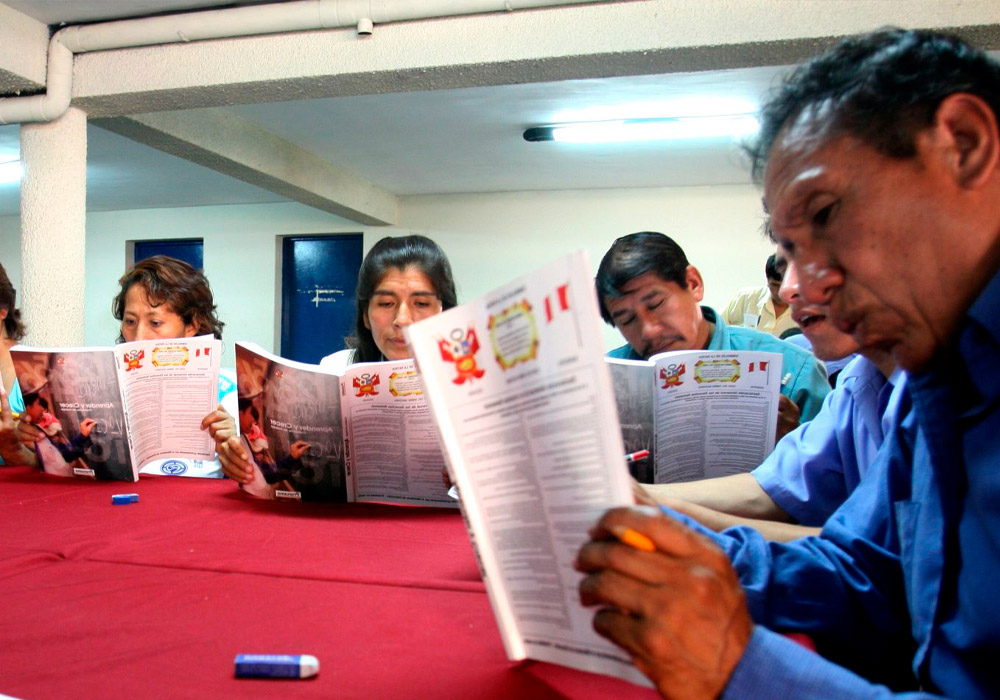
The Peruvian government has implemented various policies and programs to address illiteracy. Significant investments are allocated to improve educational infrastructure, train teachers, and provide suitable educational resources. Additionally, literacy campaigns have been launched to reach remote communities and marginalized groups.
Education as a Driver of Development:
Education is not only a means to acquire knowledge but also a catalyst for economic and social development. In the fight against illiteracy, the focus extends beyond teaching reading and writing; it is about empowering individuals to actively participate in society, access employment opportunities, and contribute to the progress of their communities.
Innovative Literacy Programs:
Innovative literacy programs tailored to the specific needs of different population groups have been implemented. These programs often incorporate technology, participatory methods, and personalized approaches to make the learning process more effective and relevant for adults seeking to improve their reading and writing skills.
Community Involvement:
The fight against illiteracy does not solely rest on the government and educational institutions. Active community involvement is essential. Collaboration between schools, non-governmental organizations, and community members is encouraged to identify and address specific barriers hindering access to education.
Persistent Challenges:
Despite efforts, persistent challenges such as lack of resources and gaps in educational infrastructure exist. Additionally, cultural barriers and gender inequality continue to be obstacles that require ongoing attention.